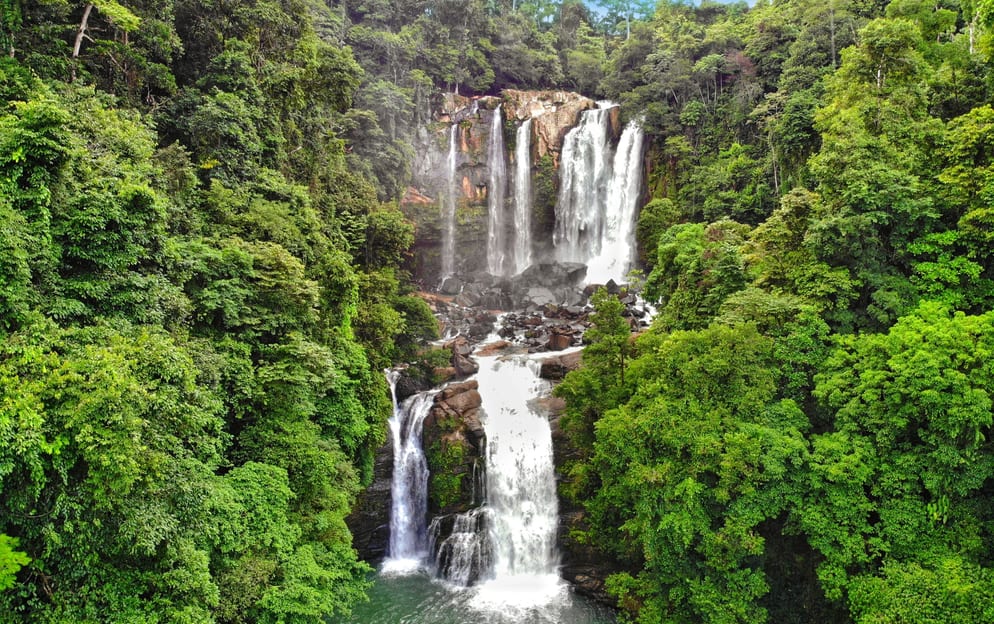
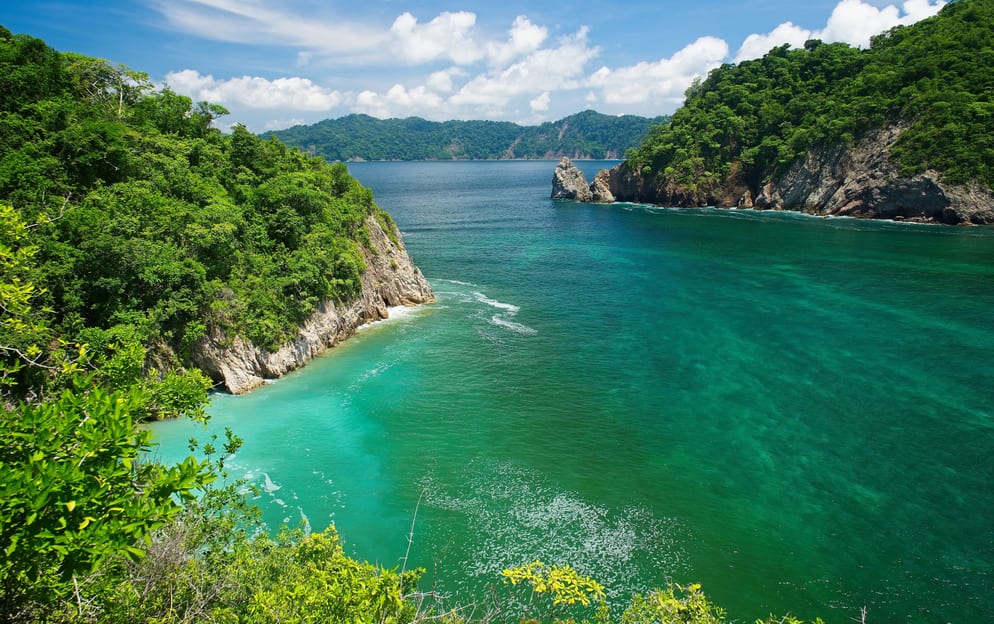
Punta Leona is home to one of the last remaining forests that are found in the transitional life zone between the rainforests of the Southwest and the dry forests of the Northwest. Created over 25 years ago to protect the region’s varied flora and fauna, the Punta Leona Refuge is a 300-hectare (750 acres) private nature reserve mainly consisting of lush primary and secondary forests.
Also functioning as a centre for bird and mammal research, this reserve is the habitat of over 330 migratory and native bird species. Home to rare and endangered Scarlet Macaw, the reserve is also the dwelling place of a number of indigenous birds and animals like the Marbled Wood Quail, the Three-wattled Bellbird, Hummingbirds, Toucans, Spider Monkeys, White-faced Monkeys, White-nosed Coatimundis, iguanas and a variety of beautiful butterflies.
Located near a pristine white sand beach, Punta Leona has three varied walking and hiking trails, all of which are easily accessible and perfect for bird watching.
You can choose from one of the following two excursions:
Rainforest Skywalk
Located near the boundary of Carara National Park, the Rainforest Skywalk offers a unique opportunity to experience the rainforest canopy. After a short and easy walk, you will cross three suspended cable bridges ranging from 270 to 330 feet in length, soaring up to 126 feet above the forest floor. From these elevated walkways, enjoy views of the Tárcoles River wetlands and the distant Pacific Ocean while your guide points out wildlife such as birds, monkeys, butterflies, and other rainforest species.
After the walk, visit the operations centre where you can step onto a glass-floor platform for a unique view of crocodiles in the Tárcoles River. You may also watch a demonstration of traditional chocolate making, sample fresh tropical fruits, enjoy Costa Rican coffee, or browse for souvenirs.
Mangrove River Cruise
This excursion takes place along the Tárcoles River on Costa Rica’s Pacific coast, near Carara National Park. The region is known for its rich mangrove ecosystem, which includes four species: tea, black, red, and white mangroves. The river mouth is one of the most important sites for seabirds and shorebirds, particularly during the migration season from October to April. The riverbanks are also home to one of the largest crocodile populations in the area, with some reaching nearly three metres in length. Iguanas, basilisk “Jesus Christ” lizards, herons, egrets, and ducks are commonly seen along the shores.
Following the cruise, visit the operations centre to view crocodiles from the glass-floor platform, watch a chocolate-making demonstration, sample tropical fruits, enjoy Costa Rican coffee, or browse local souvenirs.